

Understand emission mechanisms from a physical perspective. Ensure that development decisions are soundly supported. Spatially Resolved NOx Analysis in Real Combustion Processes

NOx Diagnostics for Modern Combustion Processes

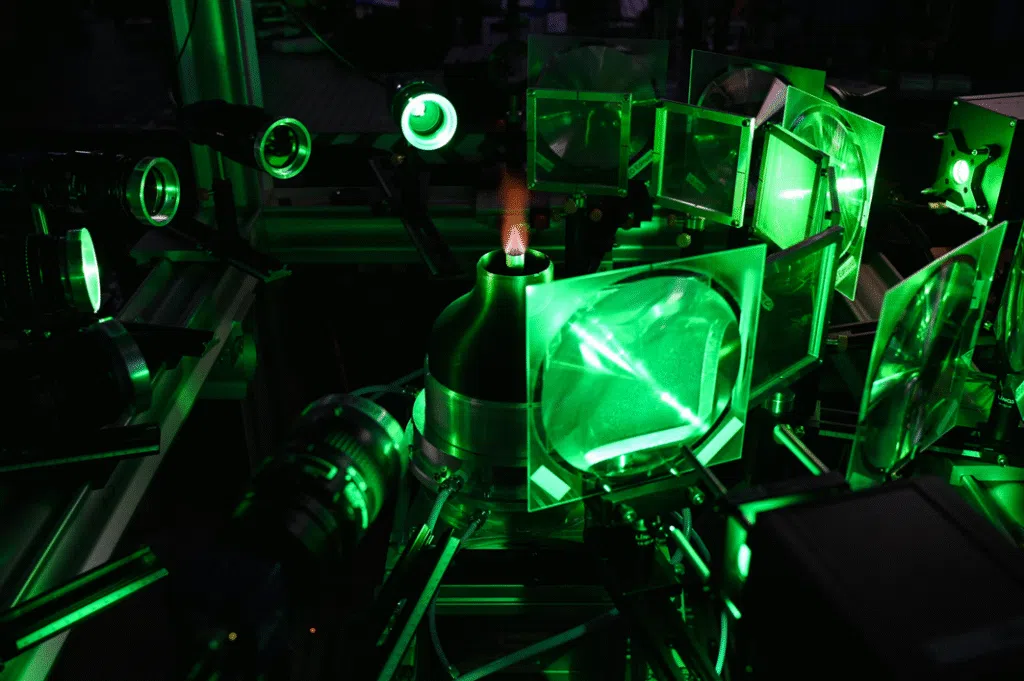
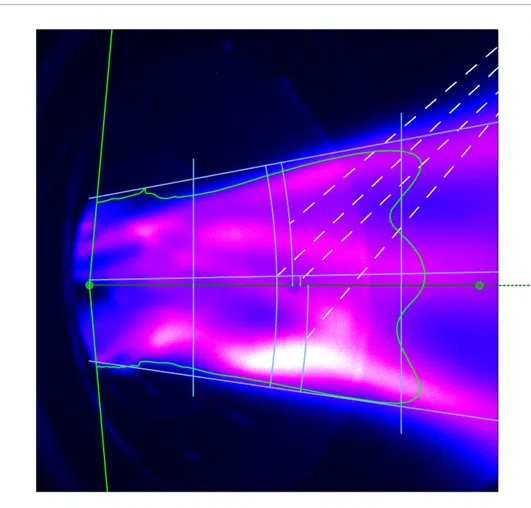
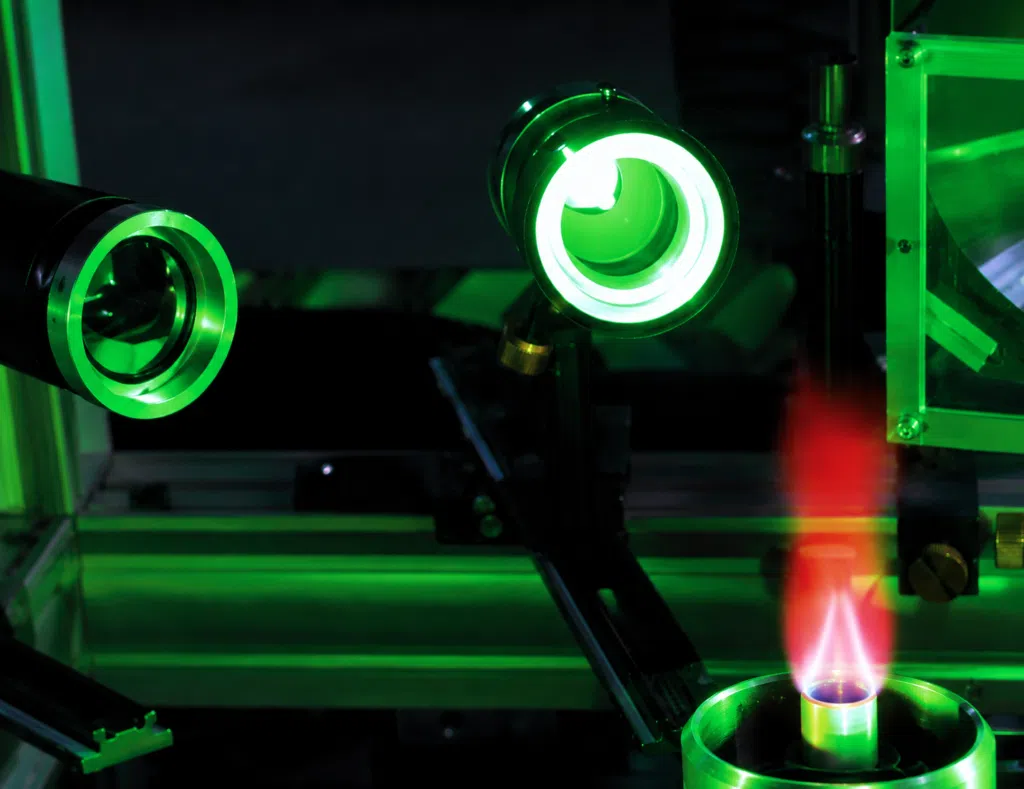
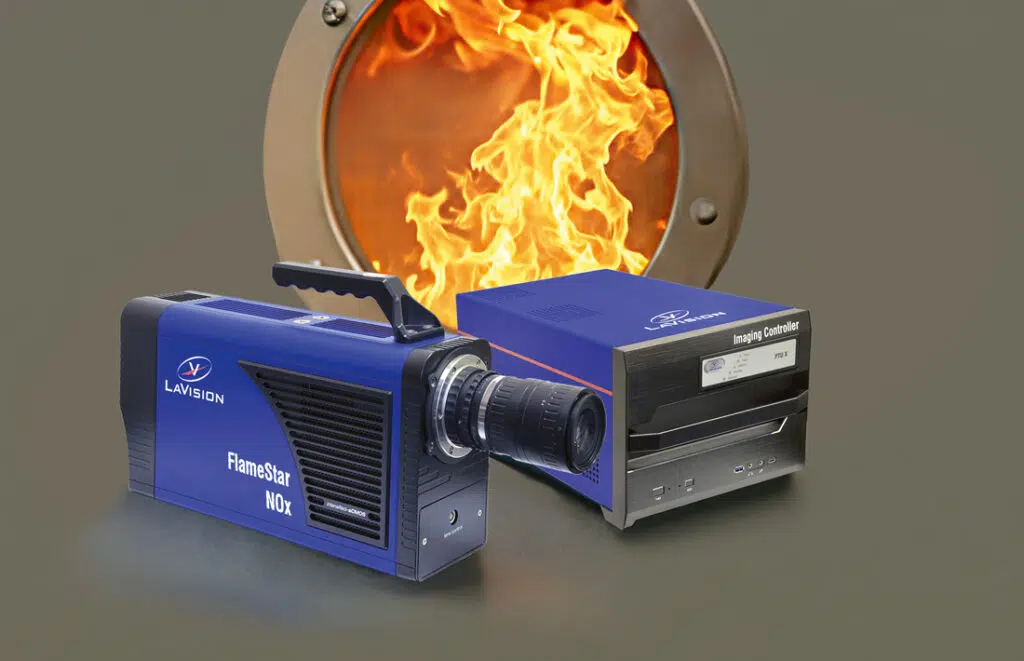
Conventional exhaust gas measurements provide only integral NOx values and do not allow conclusions to be drawn about local reaction zones or transient effects in the combustion chamber. With the increasing use of alternative fuels such as hydrogen, ammonia, or fuel blends, temperature fields, reaction pathways, and emission mechanisms are changing significantly. The FlameStar NOx imaging system uses UV-based visualization of NO chemiluminescence to make the formation of NOx visible directly within the reaction zone. Emissions hotspots, instabilities, and dynamic effects can be analyzed with spatial and temporal resolution—exactly where emissions occur. With an optional OH* filter, OH* chemiluminescence can also be detected. This enables analysis of the flame structure, such as characterizing the flame front, stability, and combustion efficiency.

Key Features

High-Definition Emission Imaging

Acquisition of high-resolution image sequences of NOx emission dynamics for detailed analysis of combustion processes.

Flame Structure Visualization

Analysis of flame structure using OH* signals to investigate the flame front, stability, and combustion efficiency.

Ultra-High UV Sensitivity & Dynamic Range

Detection of the subtlest UV signatures of chemical reactions and pollutant formation processes.

Easy to Use – Quick Setup

A compact, ready-to-use camera system that can be set up quickly and requires minimal training.

Image Analysis with DaVis Software

Analysis of image data for calibrated measurement variables using the DaVis analysis environment.

Technical Platform – Designed for Extreme Operating Environments

FlameStar NOx is based on an enhanced, UV-optimized imaging technology that was specifically developed for combustion diagnostics.

The platform is designed to detect chemiluminescent emission signals in environments with high thermal background radiation. It enables precise temporal selection of emission events and ensures reproducible, calibratable measurement conditions for scientific and industrial applications.

The system is robust in the face of the typical challenges of high-temperature reaction chambers and meets the requirements of modern research and development environments.

Additional technical details and configuration options are described in the product flyer and data sheet.
→ Learn more
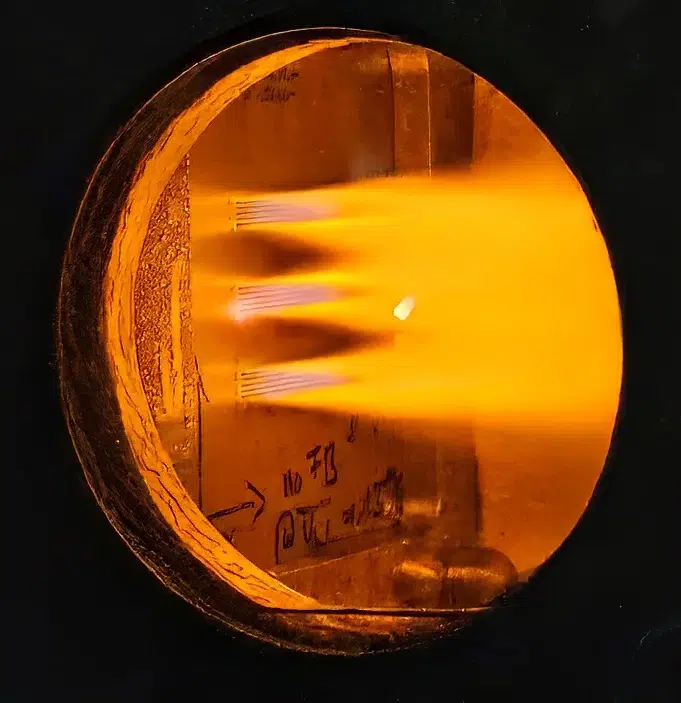
More Than Just Emissions Measurement—A Development Tool for Combustion Processes

FlameStar NOx is used to:

  • Explaining NOx formation mechanisms from a physical perspective
  • To further develop burner geometries and flame designs in a targeted manner
  • Optimize operating strategies with regard to emissions and stability performance
  • to experimentally validate numerical models (CFD, LES)
  • Ensure compliance with regulatory requirements based on local process knowledge

The platform does not serve as a post-emission control measure, but rather as an integral part of the development and optimization phase of modern combustion systems.

Typical Applications

Hydrogen and Ammonia Combustion
Industrial Burners and Gas Turbines
Engine and Fuel Injection Development
Process Heat Systems and Power Generation
Emissions Trends and Regulatory Reporting
Fundamental and Applied Combustion Research

Quantitative Analysis – From Image Data to Reliable Findings
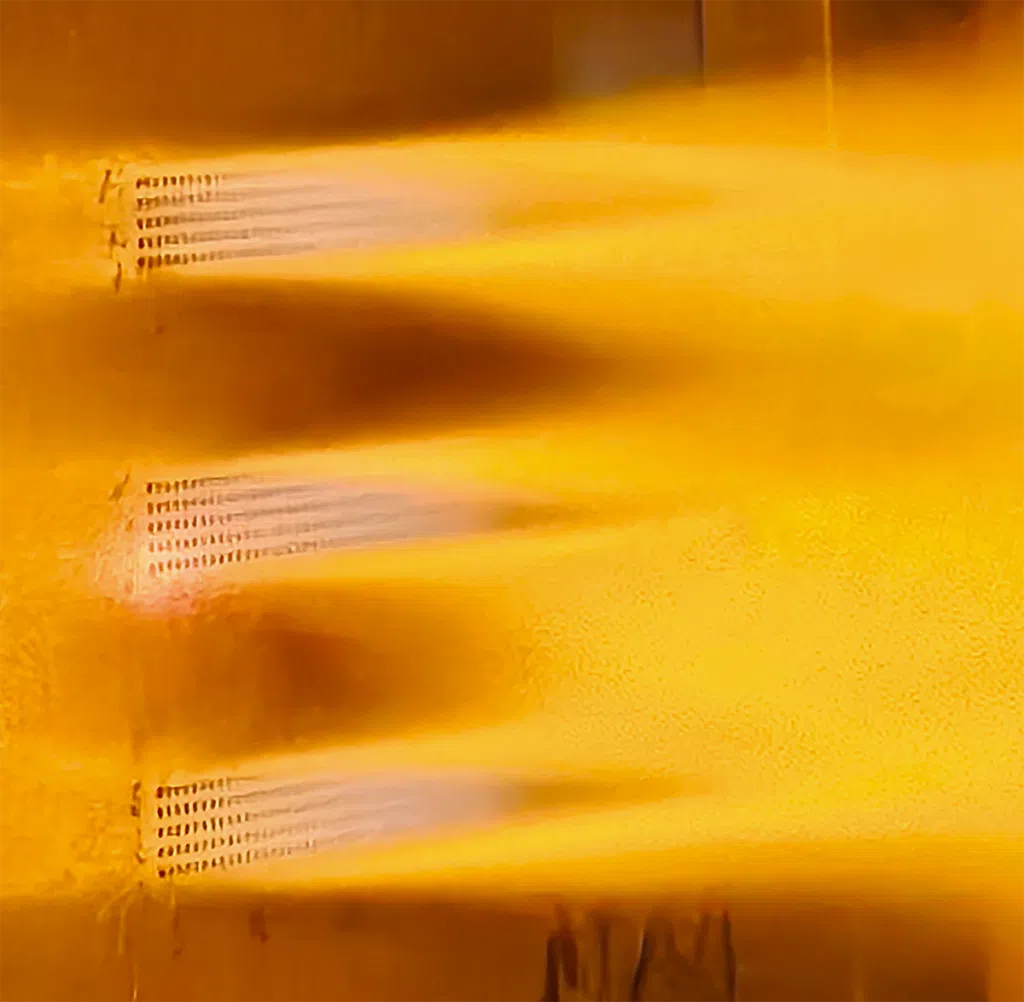
The analysis routines of the FlameStar NOx System convert imaging data into quantitative, reproducible results for the analysis and optimization of combustion processes.
LaVision GmbH high-performance combustion imaging visualization of hydrogen and ammonia flames for spray and flame diagnostics

Geometric and Perspective Correction
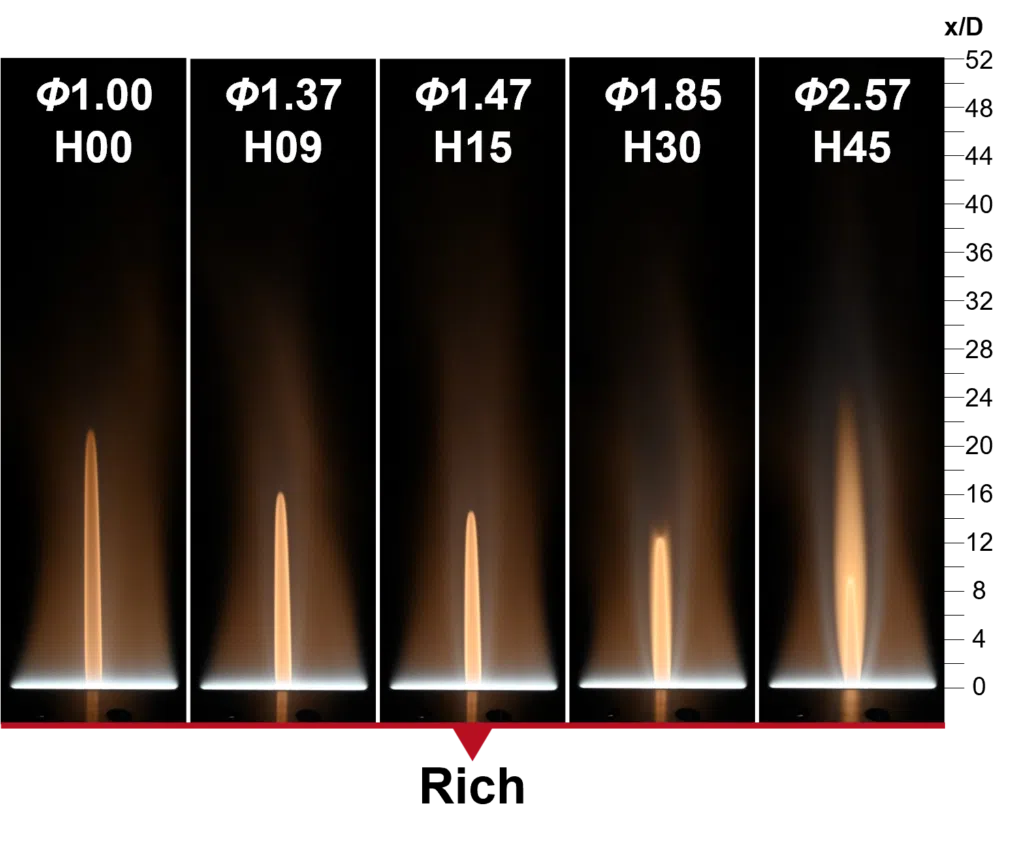
Complete spatial calibration even under difficult optical conditions. Advantage: Perspective distortions are corrected, enabling precise spatial measurements.

Analysis of Trends Over Time

Extraction of time-resolved signal curves from any measurement range. Advantage: Intuitive analysis of temporal dynamics, e.g., in the case of flashback or the emission of species such as OH*.

Analysis of Spatial Distributions and Homogeneity
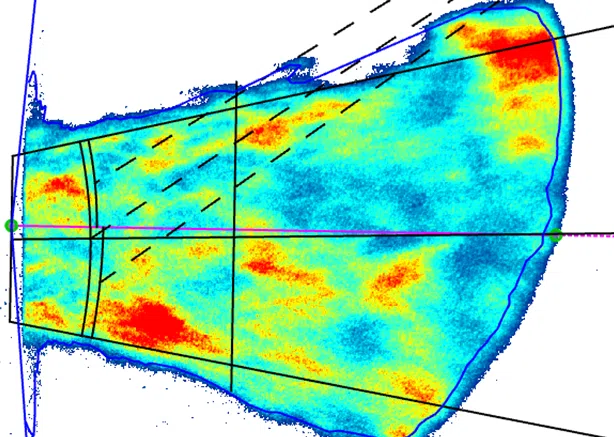
Analysis of line or surface profiles to investigate inhomogeneities in a flame or burner. Advantage: Identification of spatial variations and zones of instability within the combustion process.

Statistical Analysis

Calculation of mean values, standard deviations, fluctuations, and trends directly in DaVis. Advantage: Rapid quantitative assessment of stability, reproducibility, and process behavior.

Integrated Data Management and Connectivity

Seamless data processing via interfaces to common programming languages (Python, etc.) or LaVision’s own DaVisViewer.

Advantage: A combination of intuitive analysis tools and automated evaluation workflows.

FlameStar NOx
at a Glance

What makes FlameStar NOx stand out in combustion and emissions analysis?
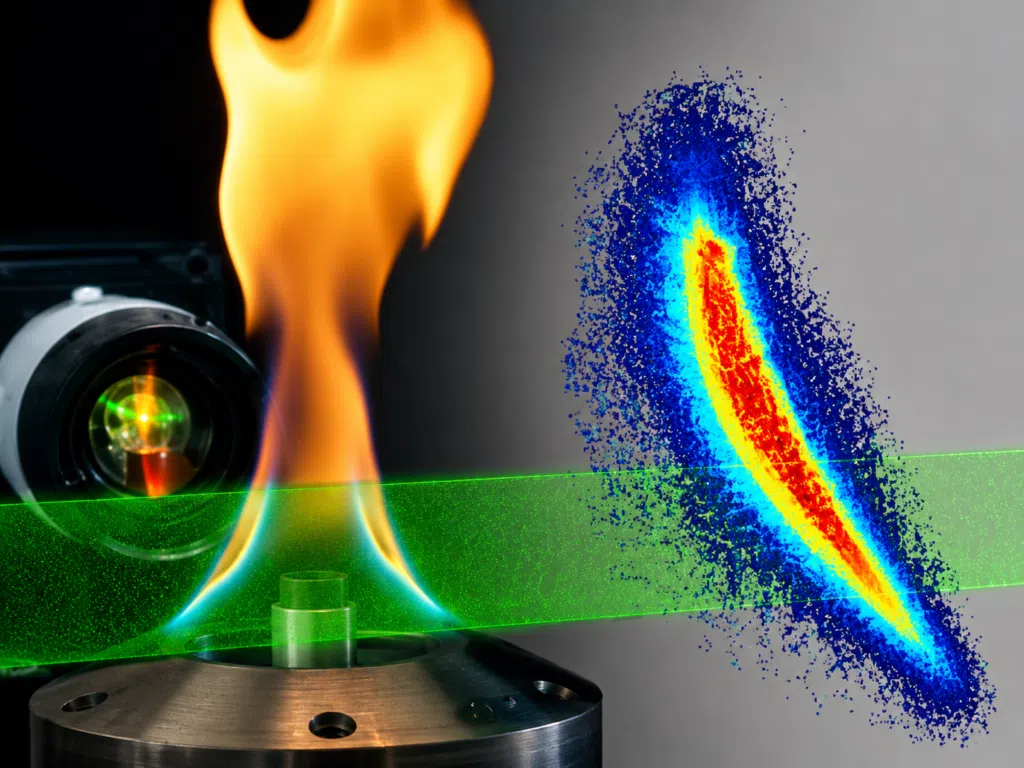
From Measurement to Understanding—More Than Just Detection Unlike traditional exhaust gas measurement systems, FlameStar NOx enables direct, imaging-based analysis of NOx formation within the flame. This provides a much deeper understanding of the combustion processes—not just the final emission value.

FlameStar shows where and when NOx is produced, rather than simply providing averaged or delayed measurements.
This allows for the targeted identification of:

  • critical reaction zones
  • local hotspots
  • Transient effects during combustion

→ a key advantage for process optimization and model validation
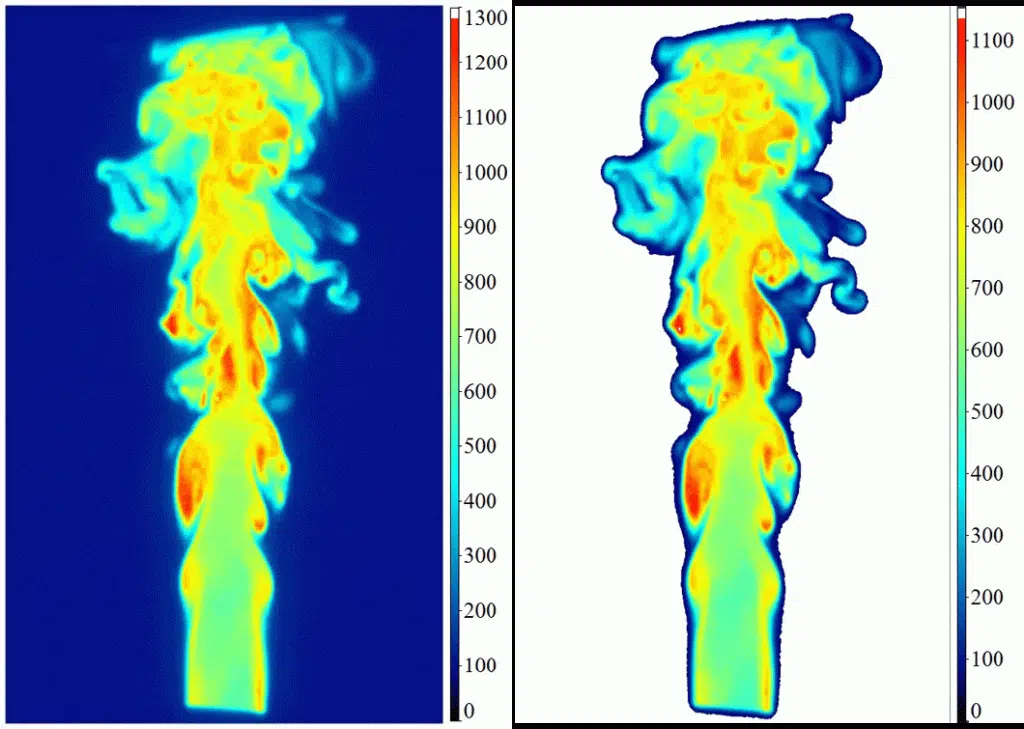
Pre-processing of hydrogen flame visualization using LaVision optical measurement technology

The system is designed for use in real-world combustion environments—not just under laboratory conditions.

  • In-situ measurements taken directly within the flame
  • Use in burners, engines, and test stands
  • Immediate feedback on process changes

→ enables real-world optimization rather than post-hoc analysis

FlameStar NOx was specifically developed for efficient use in day-to-day engineering work:

  • Quick setup and adjustment
  • intuitive operation
  • reduced complexity compared to traditional laser-based methods

→ makes optical metrology accessible even outside of specialized research teams

All measurement data is processed in the DaVis imaging and analysis platform:

  • Synchronized multiparameter analysis
  • Detailed visualization of reaction zones
  • reproducible analysis processes

→ ensures consistent and scalable data analysis

In addition to the measurement system, LaVision offers:

  • Application-Specific Consulting
  • Custom Measurements
  • Support in interpreting complex combustion data

Technical Q&A – In-Depth Aspects of NOx Diagnostics

NO* chemiluminescence is detected as an indicator of local emission formation processes in the high-temperature reaction zone.
Conventional, integral measurement methods provide average values. Imaging diagnostics allow for the identification of local hotspots, temperature peaks, and transient reaction phenomena.
Transient phenomena such as load changes or thermoacoustic instabilities influence emission peaks. Time-resolved imaging makes it possible to analyze these effects.
Through reproducible, calibratable imaging and standardized analysis methods within a unified platform.
Emission fields resolved in space and time provide experimental reference data for validating numerical flow and reaction models.
Yes. The platform is designed for real-world combustion chamber conditions and supports optical access under practical operating conditions.

FlameStar NOx – Emissions Diagnostics as a Development Strategy

As emissions limits become stricter and alternative fuels open up new reaction pathways, local process expertise becomes a decisive competitive advantage. FlameStar NOx provides the physical transparency needed to specifically influence NOx formation and design combustion processes to be robust.
Name *
Email *

By submitting the form, you agree to the processing of your data in accordance with our Privacy Policy.
Name *
E-Mail *

Mit Absenden des Formulars erklären Sie sich mit unserer Verarbeitung Ihrer Daten gemäß der Datenschutzerklärung einverstanden.