

Smoke Studies, Reimagined. From smoke patterns to objective flow analysis.

Flow-TRX enhances traditional smoke studies with intelligent visualization, vector field analysis, and digital documentation. The result is more transparent evaluations, reproducible results, and a significantly deeper understanding of complex airflow patterns.

Every smoke test reveals air currents. But are these observations being interpreted correctly?
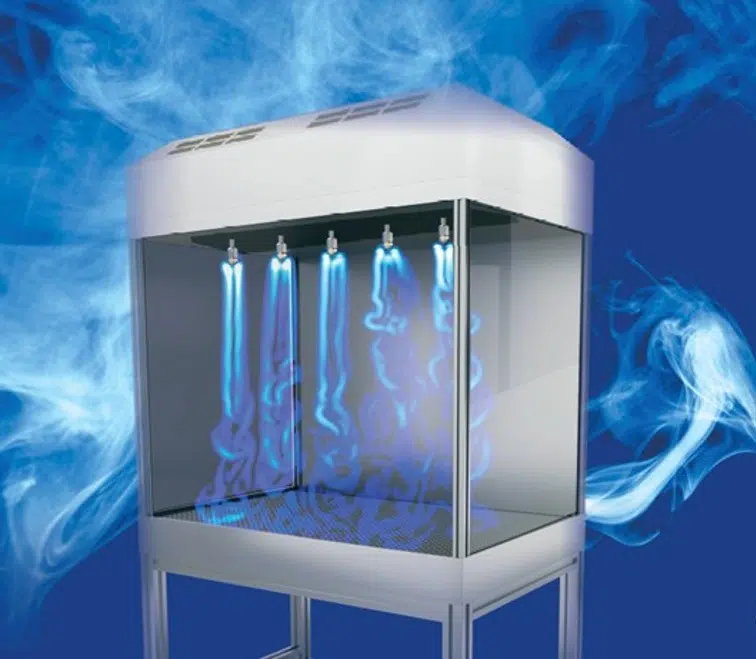
For decades, smoke studies have been among the globally established methods for qualifying cleanrooms, RABS, and LAF systems. They make airflow visible and are an integral part of regulatory processes. Yet precisely when decisions need to be made, purely visual assessment often reaches its limits. Even experienced specialists can interpret the same smoke test differently. Local backdrafts, dead zones, or turbulence often remain hidden or are assessed differently. With ever-increasing requirements from the FDA and EU GMP compliance, Annex 1, and digital documentation, the need for more objective and reproducible assessment methods is growing. This is where Flow-TRX comes in.

See More Than Just Smoke. Understand What the Air Is Actually Doing.

Flow-TRX does not replace the traditional smoke test! Instead, it supplements it with a computer-aided analysis layer that translates the visible movement of smoke into comprehensible information about the actual flow behavior.
A video recording is used to create a digital flow model that provides important information about:

  • Flow Directions
  • Vector Fields
    : Qualitative
  • Speeds
  • Backflow
  • Vortex
  • Dead Zones
  • critical flow regions

This turns a visual observation into a sound basis for decision-making.
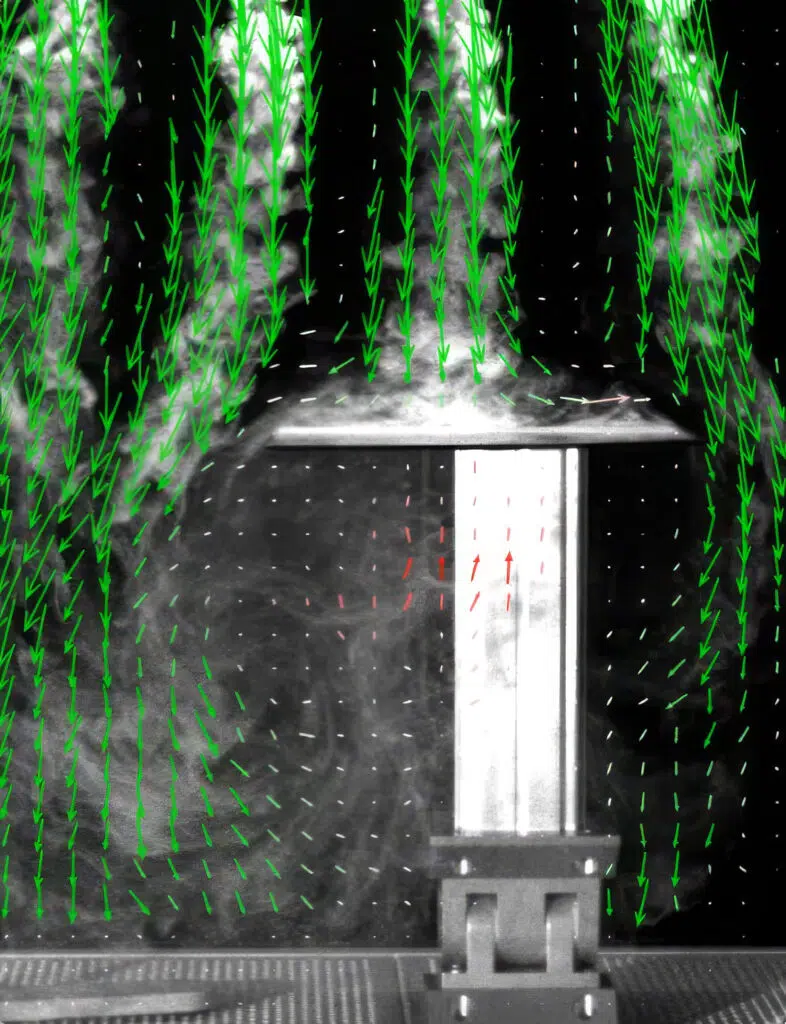
vergleich1-Topaz-Gigapixel-2x-scale-Topaz-Gigapixel-2x-scale_2 vergleich1-Topaz-Gigapixel-2x-scale-Topaz-Gigapixel-2x-scale_2_1

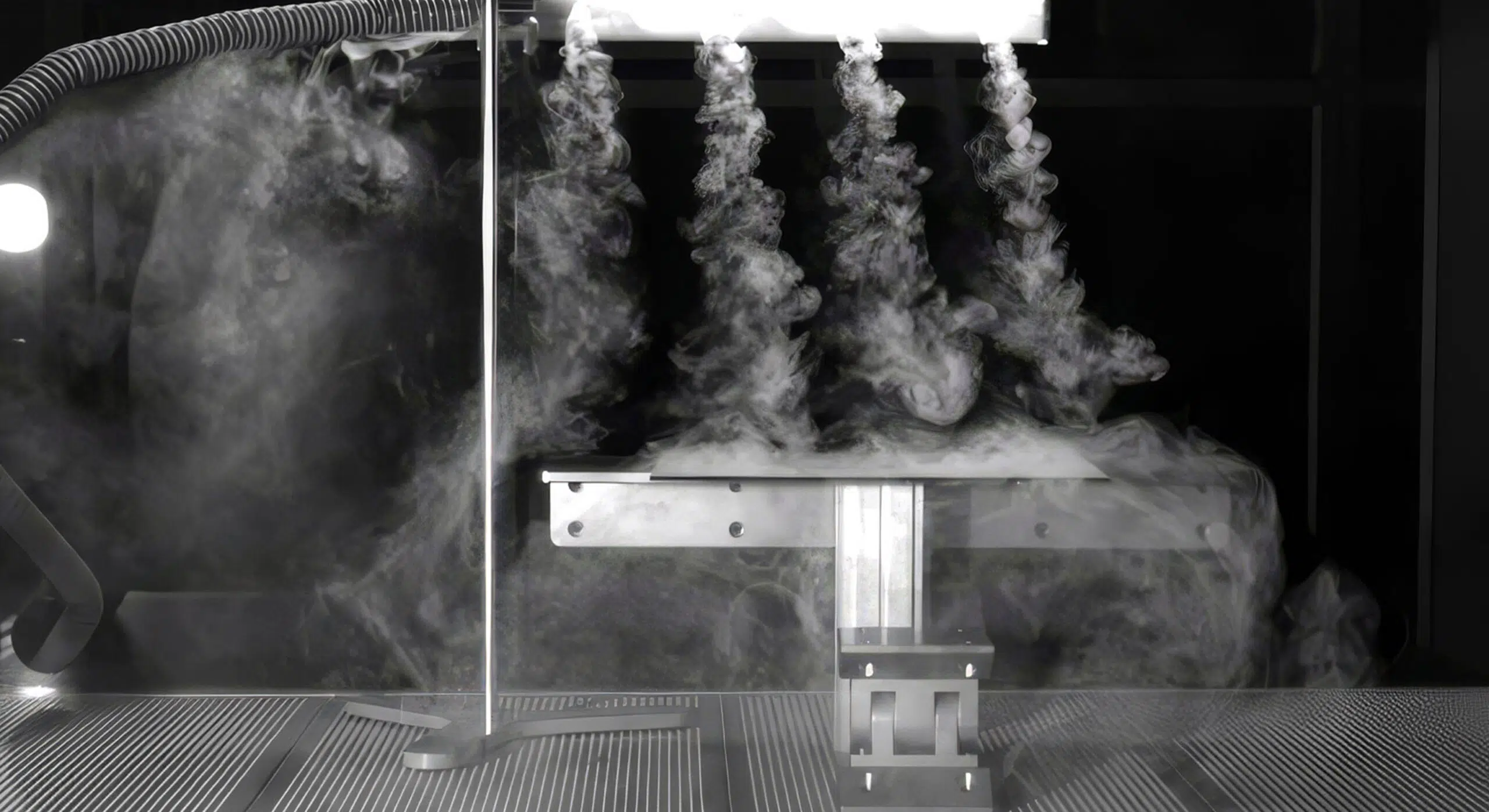
Classic Smoke Test

The smoke trails become visible, allowing for a limited assessment of the airflow based on the video recording. This enables a subjective determination of the flow direction of the test mist in the absence of fixed evaluation criteria.

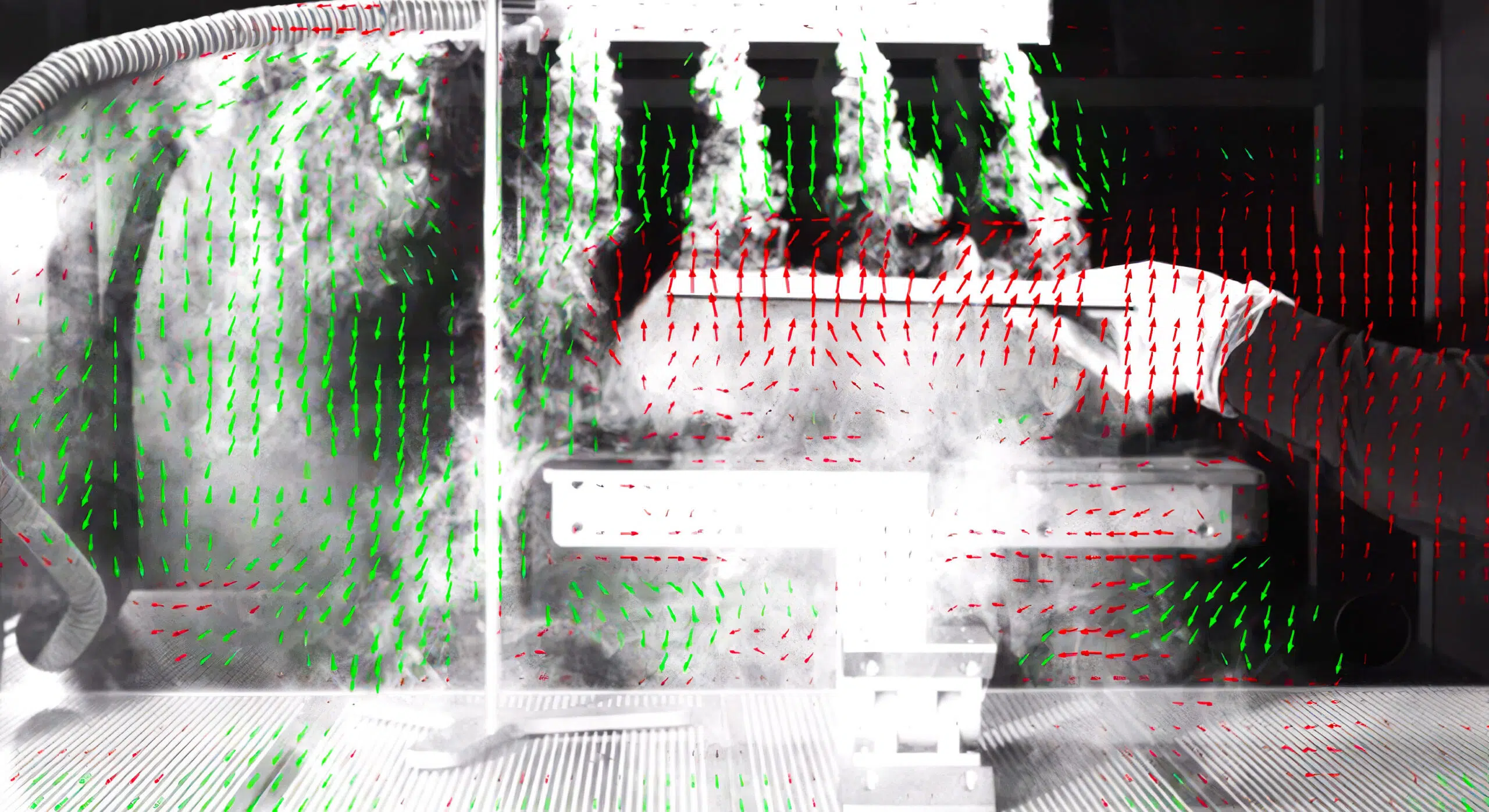
Flow-TRX Analysis

Flow-TRX enhances visualization with vector fields, qualitative flow velocities, flow directions, automatic highlighting of critical areas, and digital documentation for an objective and traceable evaluation.

  • Vector Fields
  • qualitative speeds
  • Flow Directions
  • Highlighting Critical Areas
  • digital documentation

The Next Generation of the Smoke Study

Making Smoke Visible
Understanding Flow
Rate
Document
Compare
Optimize

What Flow-TRX Reveals

  • Smoke pattern
  • Overlay
  • Vector Fields
  • Colored Swirls
  • Speed
  • critical areas


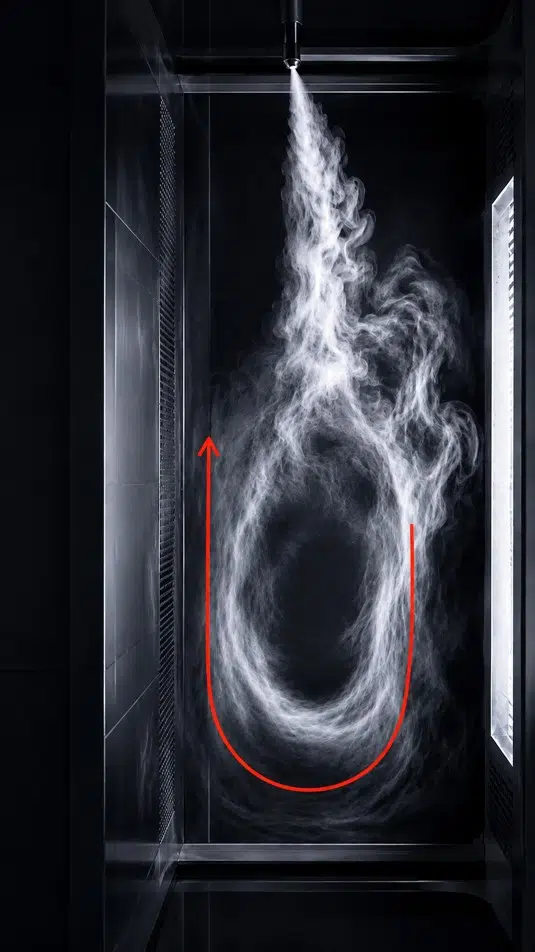
While traditional smoke tests merely display the smoke plume, Flow-TRX continuously analyzes its movement and visualizes complex flow patterns in real time.
This makes even the slightest deviations from the desired airflow (First-Air) immediately apparent.

You are currently viewing a placeholder content from YouTube. To access the actual content, click the button below. Please note that doing so will share data with third-party providers.

More Information

Making Invisible Risks Visible

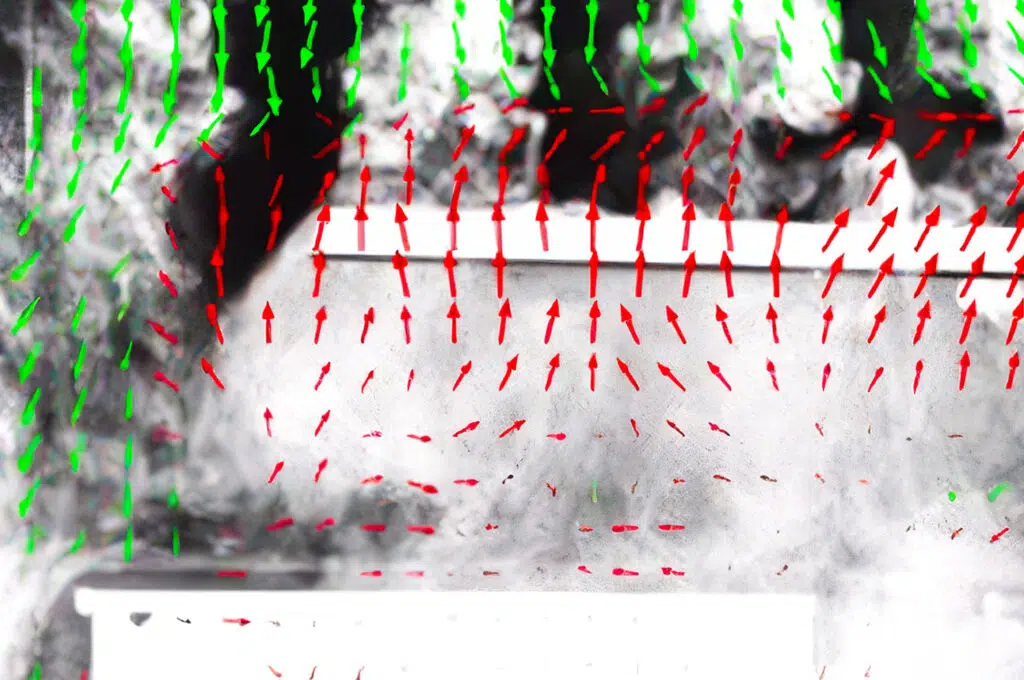
Backflow

The airflow reverses direction, flowing against the intended direction of flow.
As a result, critical areas may not be adequately protected.
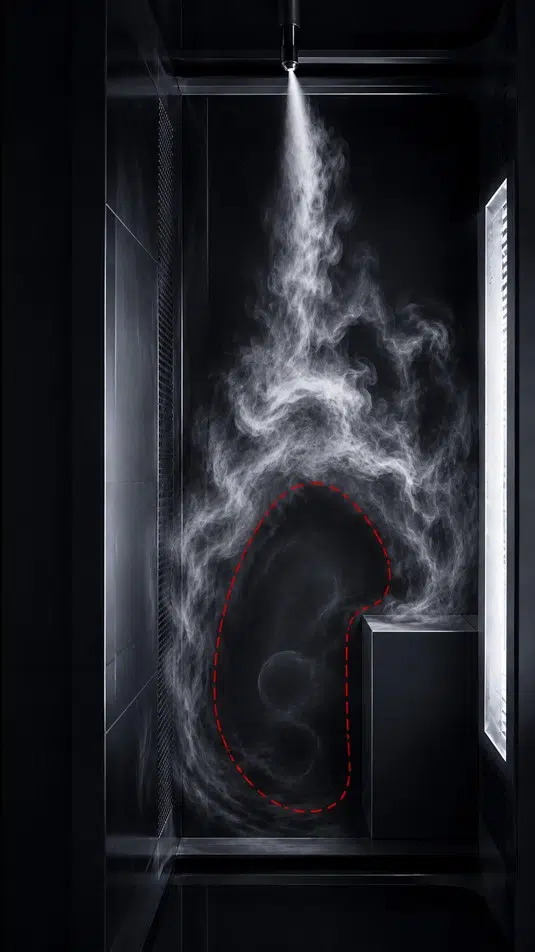
Dead Zone

Local areas with little air movement do not receive adequate airflow. This can slow down particle removal and compromise the protective effect in critical process areas.
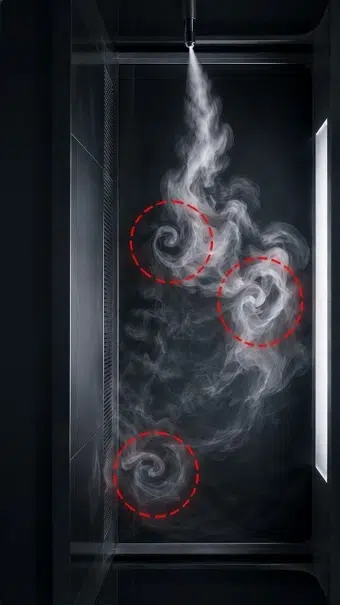
Vortex

Local vortices create uncontrolled flow patterns and dead zones.
They can trap particles and compromise flow stability.
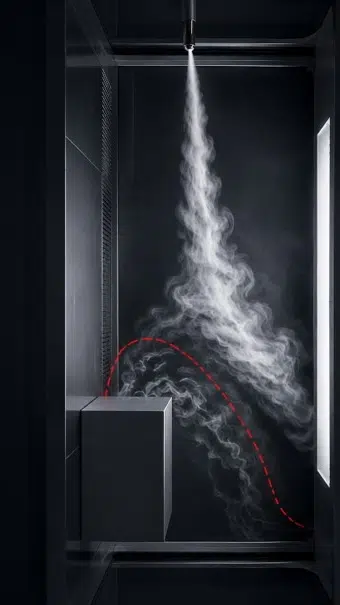
Stall

The flow separates from surfaces or obstacles.
This creates turbulence and areas of unpredictable airflow behavior.

Smoke studies often reveal multiple concurrent and overlapping flow phenomena. Small backflows, vortices, or flow separations—especially those that are only briefly visible—are often difficult to detect; however, their reliable identification is crucial to the validity and quality of the entire smoke study.

Real-World Example
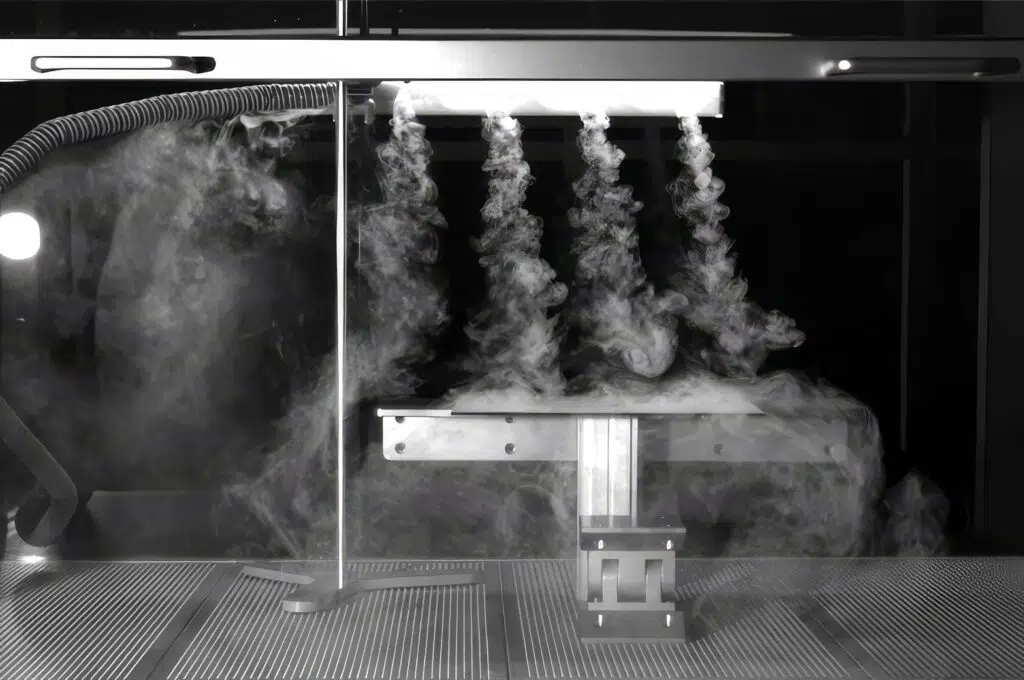
Previous Smoking Test
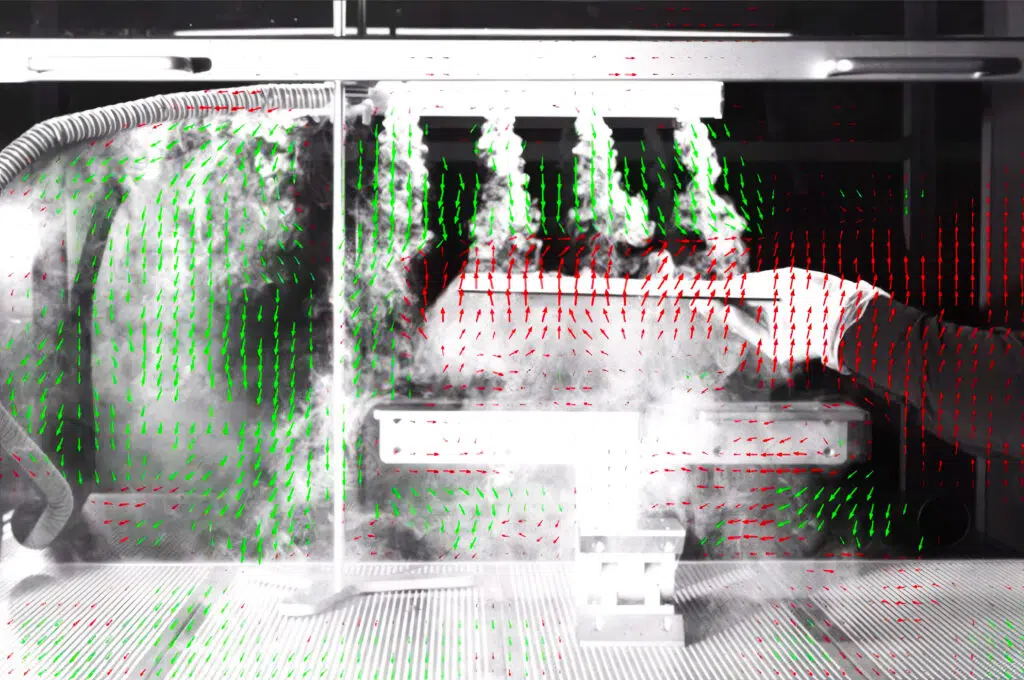
The smoke pattern shows the visible airflow.

Vector Analysis

Vector analysis objectively reveals the direction and path of the flow.

Critical Areas

Critical flow phenomena are specifically highlighted and are easier to evaluate.
Would you be able to identify the same flow phenomena with the same degree of certainty without using vector analysis?

Digital Workflow

Camera
Visualization
Analysis
Rating
Report
Archiving

Benefits of Flow-TRX

More Objective Decisions

Computer-aided visualization of complex airflow patterns.

Faster Analysis

Augmentation-assisted analysis reduces the effort required for interpretation.

Reproducible results

Standardized evaluation ensures comparability.

Digital Documentation

From the video to the finished report.

More Information

Flow-TRX supports Smoke Study techniques and expands upon them with additional insights.

Easy to integrate

Not a replacement for existing processes—but rather a smart extension of them.

Applications

Pharmaceutical Manufacturing, Pharmaceuticals, GMP, Annex 1

Biotechnology & Life Sciences

Semiconductor Manufacturing, Semiconductor
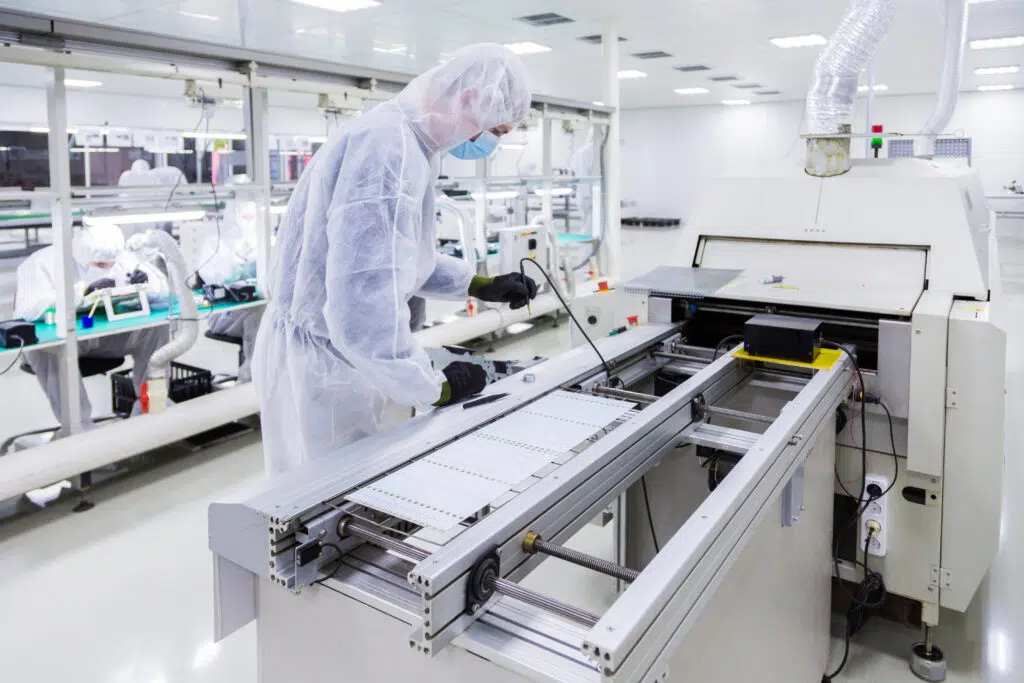
Medical Technology
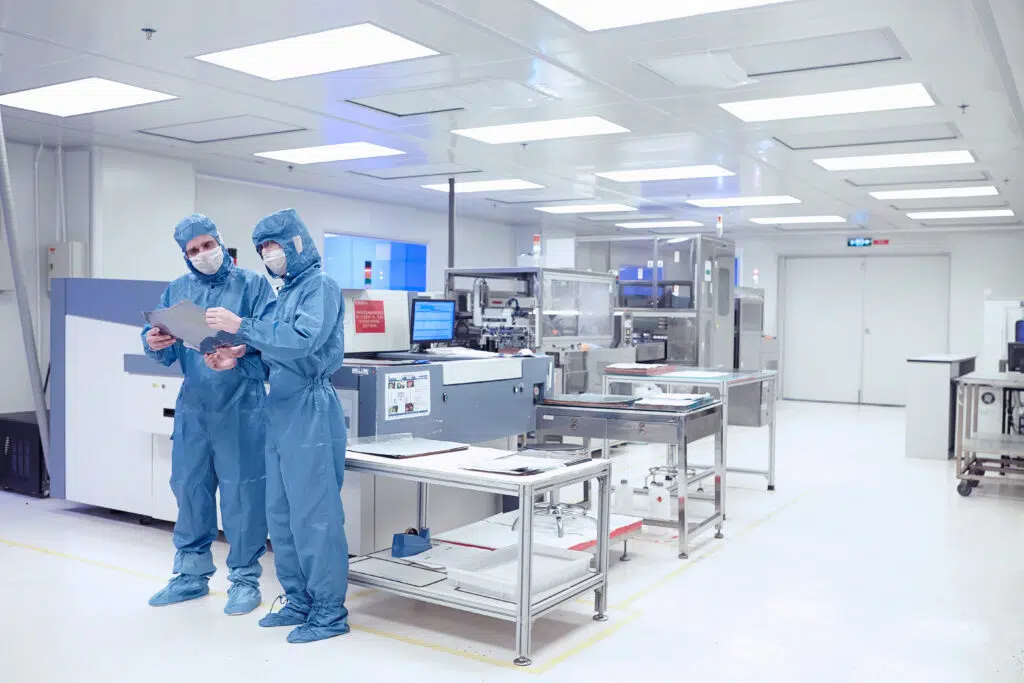
Cleanrooms & Laminar Flow Systems, LAF
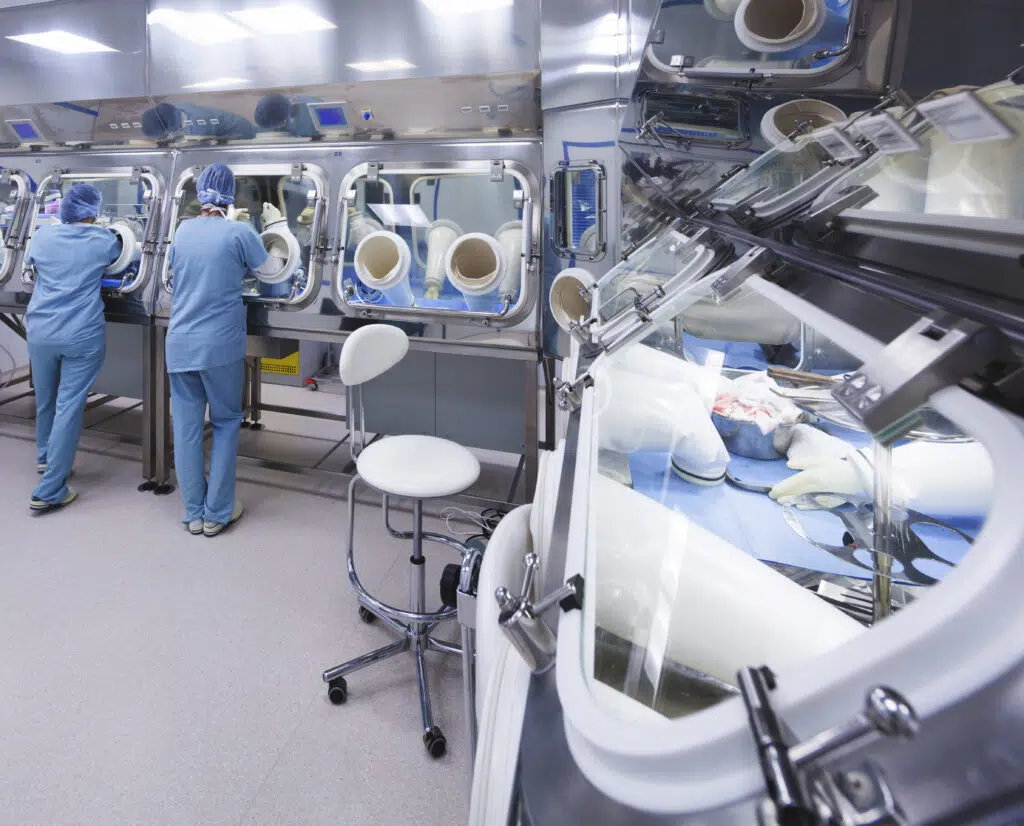
Isolators & RABS Systems

Flow-TRX Technology
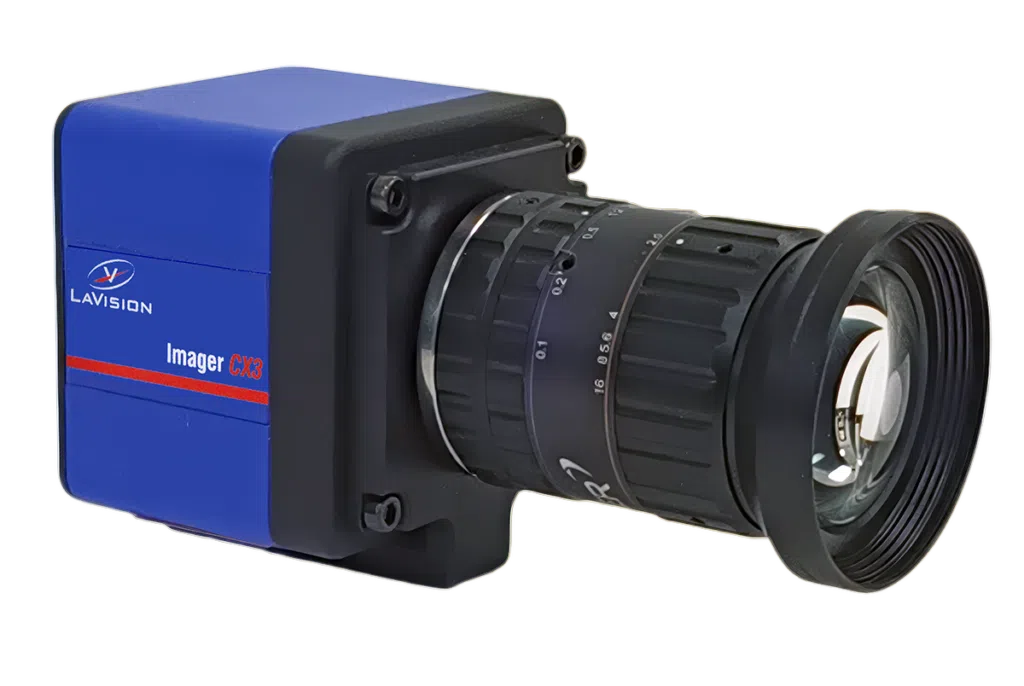
This is where the actual technology comes into play. Flow-TRX combines a high-resolution camera, powerful software, intelligent analysis, tablet-based operation, automated reporting, and flexible hardware options into a comprehensive system for the digital evaluation of smoke studies. All components are optimally coordinated and enable an efficient workflow—from data acquisition and flow analysis to traceable documentation.

Frequently Asked Questions

Flow-TRX is a software-based system for visualizing and analyzing smoke studies in cleanrooms. It supplements traditional smoke visualization methods with objective flow analysis and digital documentation.
No. Flow-TRX builds on existing smoke studies and expands upon them with digital flow analysis, vector field calculation, and reproducible documentation.
Video recordings show smoke patterns but provide only limited objective information about flow directions, local flow conditions, or turbulence. Regulatory frameworks such as the EU GMP, Annex 1 in its August 2022 edition, require more comprehensive airflow visualization than has been practiced to date. Flow-TRX complements these observations with a software-based analysis of flow patterns.
Flow-TRX expands upon traditional smoke studies by incorporating quantitative vector field analysis, thereby enabling a more objective, reproducible, and traceable evaluation of airflow patterns. The combination of flow visualization, digital analysis, and documentation creates a seamless workflow for qualification, validation, and the objective evaluation of airflow patterns.
The visualization of vector fields adds an additional level of analysis to the visual assessment of smoke and flow patterns. Local flow directions and movement patterns can be visualized more clearly, and flow phenomena such as backflow, recirculation, or dead zones can be evaluated more precisely. Furthermore, the visualization supports reproducible documentation of the evaluation parameters and can reduce the time and effort required to analyze complex flow patterns.
Yes. Deviations from the desired airflow can be automatically detected and highlighted in color. This allows critical areas to be identified more quickly and evaluated in a targeted manner.
Yes. Flow-TRX supports qualification, validation, and documentation processes in GMP-regulated cleanrooms and contributes to a traceable assessment of airflows in accordance with the current requirements of EU GMP Annex 1.
Flow-TRX is particularly well-suited for analyzing and documenting airflow in cleanrooms, RABS, isolators, and other controlled process environments. Typical applications include smoke studies and flow visualization as part of cleanroom qualification. The system supports applications in the pharmaceutical, biotechnology, medical technology, and semiconductor industries wherever airflow needs to be visualized, documented, and evaluated in a reproducible manner.

Technical Article

In-depth technical articles provide scientific background, regulatory requirements, and best practices related to smoke studies, cleanroom airflow, and the objective evaluation of airflow.

Key Takeaways from the 2022 PDA Annex 1 Workshop in Dublin

The Rules Governing Medicinal Products in the European Union Volume 4: EU Guidelines for Good Manufacturing Practice for Medicinal Products for Human and Veterinary Use
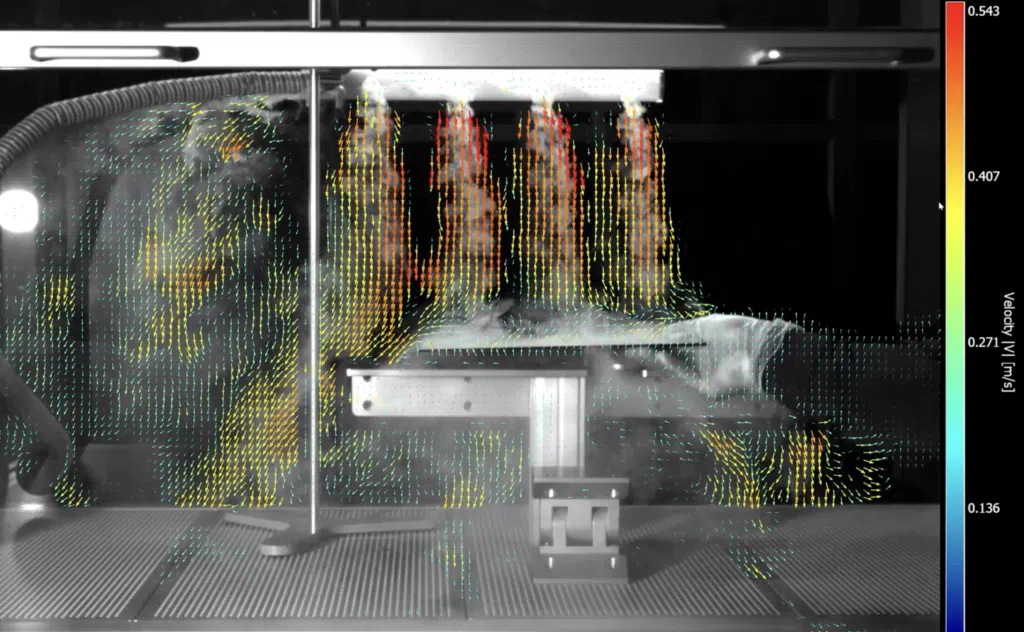
The Science Behind Flow-TRX

Background Information on Flow Analysis, Vector Field Calculation, and the Physical Principles

Get More Out of Your Smoke Studies

Learn how Flow-TRX enhances traditional smoke tests with intelligent visualization, vector field analysis, and digital documentation.
Name *
Email *

By submitting the form, you agree to the processing of your data in accordance with our Privacy Policy.
Name *
E-Mail *

Mit Absenden des Formulars erklären Sie sich mit unserer Verarbeitung Ihrer Daten gemäß der Datenschutzerklärung einverstanden.