

Visualize flame processes, understand combustion.
Reduce emissions.Analysis and Optimization of Modern Combustion Processes
Why Combustion Is the Key Lever for Optimization
The transition to sustainable energy sources changes not only the fuel but also the entire combustion behavior. Hydrogen’s high reactivity, ammonia’s slow reaction kinetics, mixed-fuel operation, and fuel switching lead to new stability limits, new emission mechanisms, and significantly more complex control requirements. Combustion determines whether an energy source is technically controllable, regulatory compliant, and economically viable. This is where process understanding, design decisions, and operating strategies directly intersect—and become technical reality.
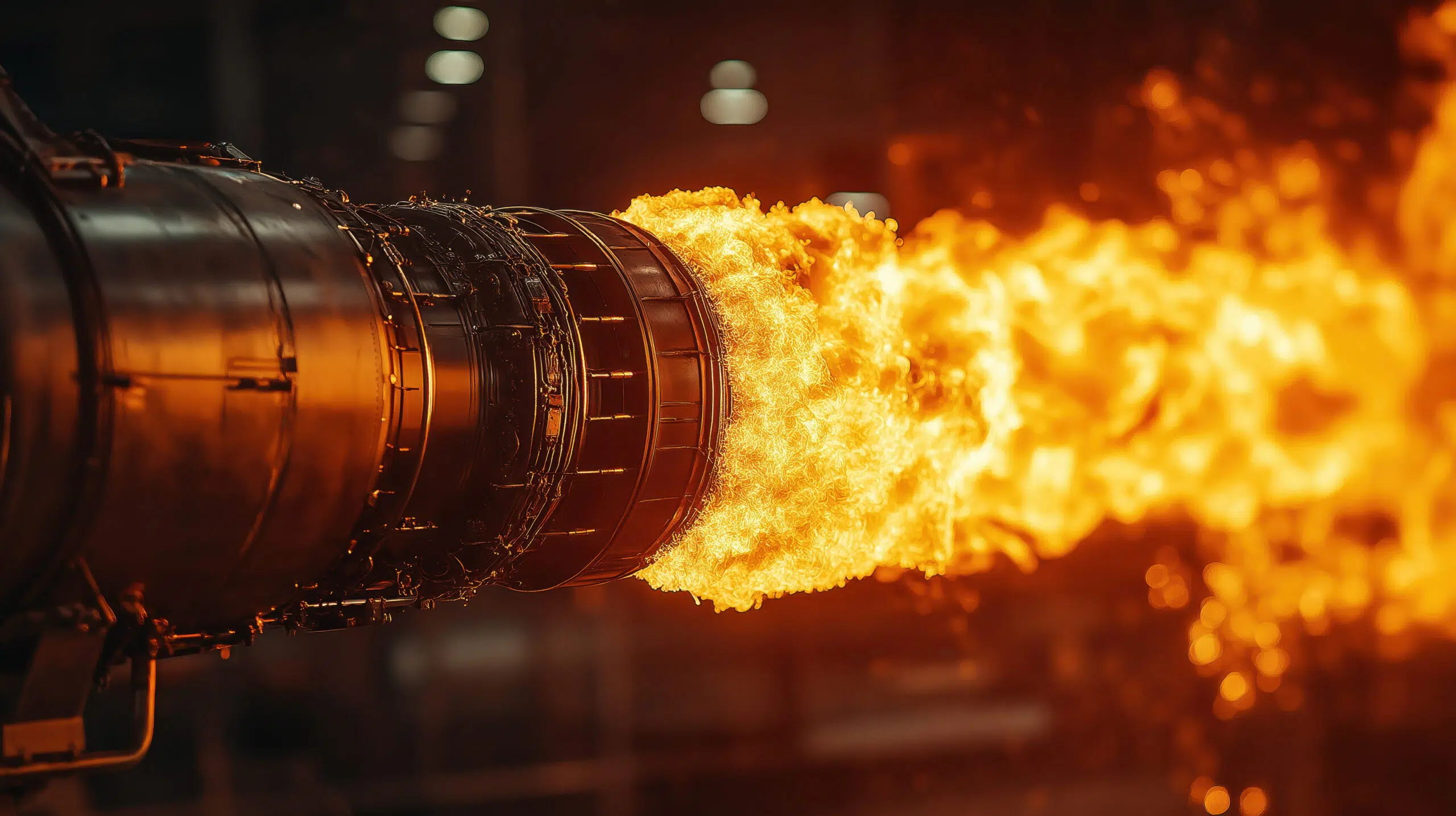
Where Efficiency, Stability, and Emissions Are Decided
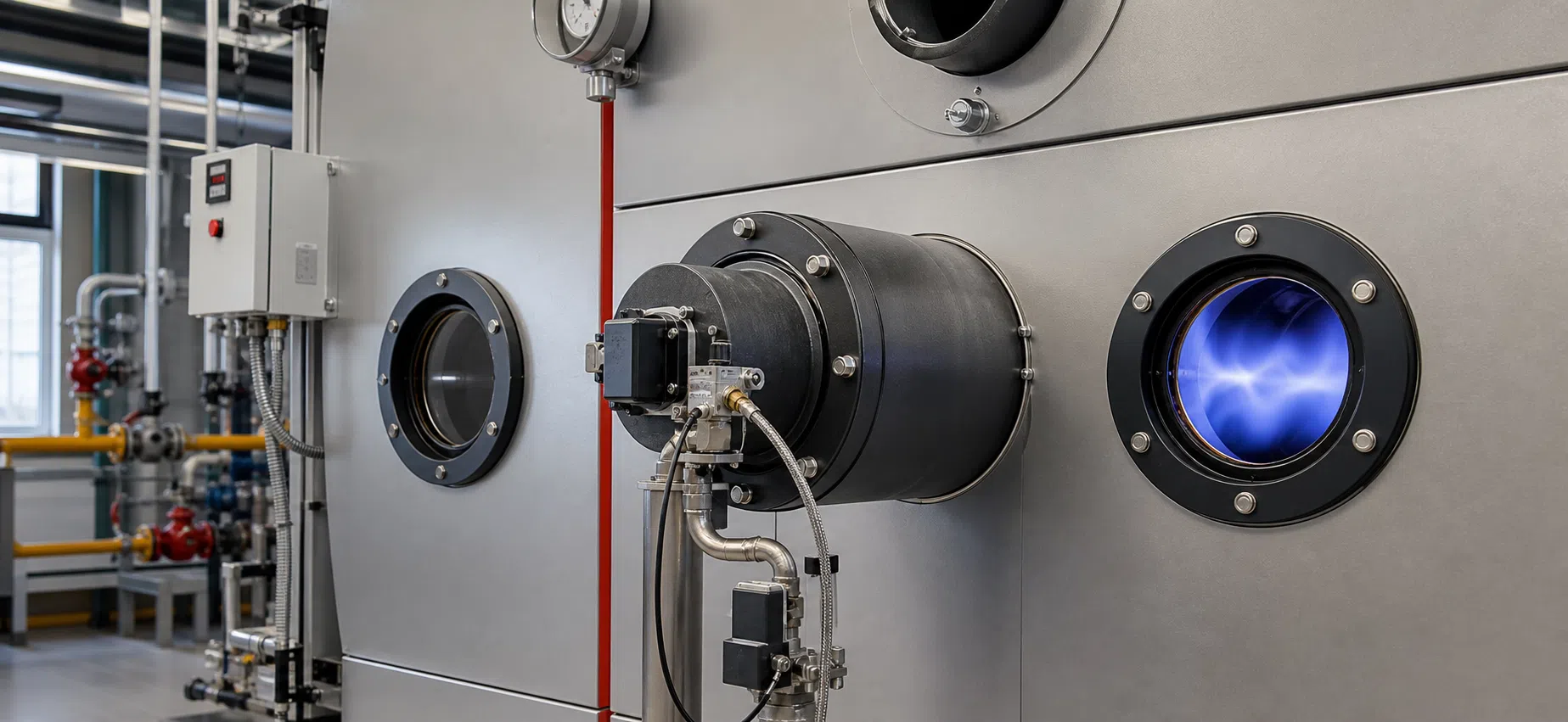
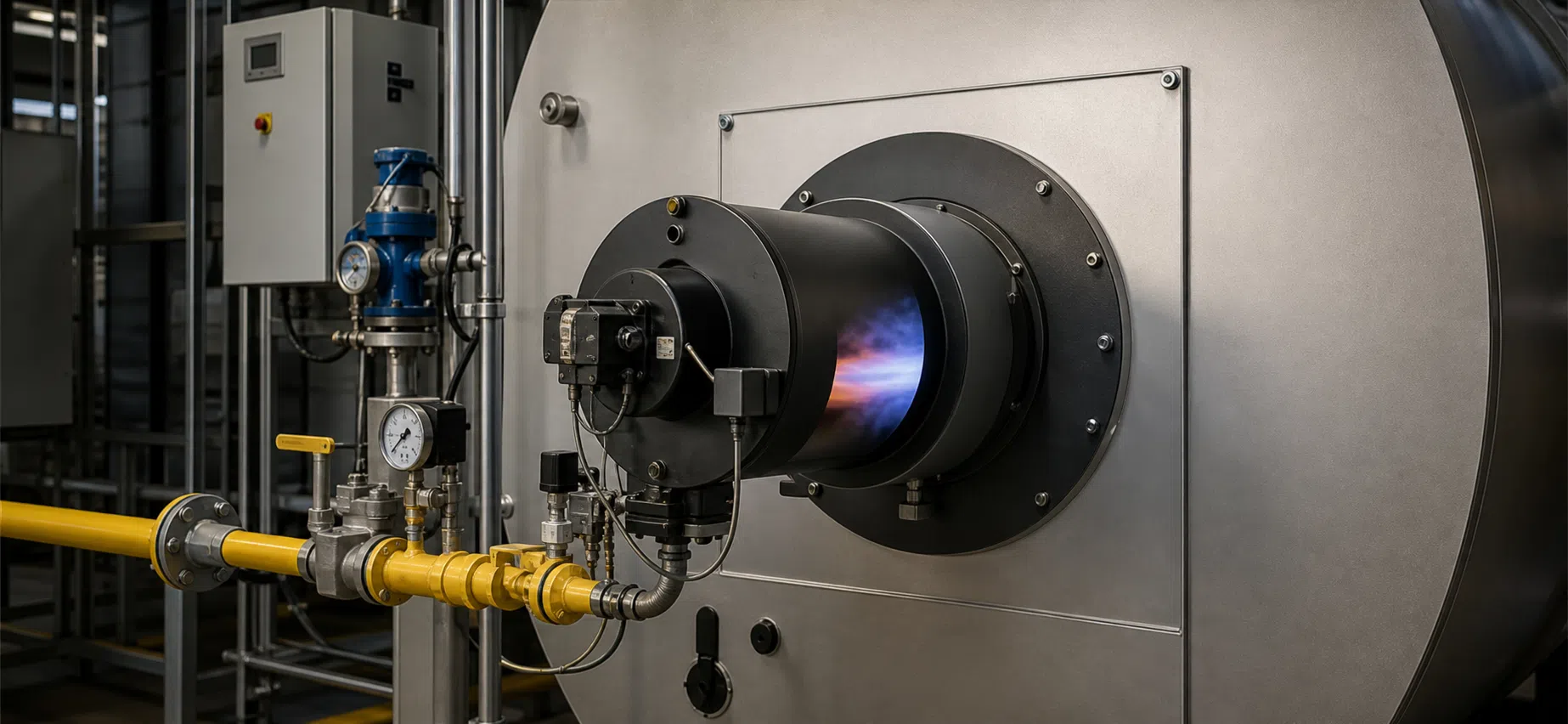
Combustion & Emissions Analysis
In the development of modern burner and engine systems, the focus is not on examining individual effects in isolation, but rather on the systematic analysis of flame stability, emission formation, and operating limits under real-world conditions. It is crucial to quantitatively characterize flame behavior, identify critical stability limits at an early stage, and clarify the interactions between fuel, flow, and reaction kinetics.
The analysis includes a detailed investigation of flame shape, length, propagation, and dynamics, as well as the identification of flashback, blow-off, and transient effects under real-world load conditions. Different fuels, mixing ratios, and fuel-switching scenarios are evaluated comparatively to define stable operating windows and quantify safety margins.
In parallel, a spatially and temporally resolved investigation of emission formation—particularly NOx formation—is conducted. Local hotspots, temperature gradients, and reactive zones are analyzed to specifically optimize design parameters, operating points, and control strategies. The goal is to sustainably reduce emissions without compromising the system’s efficiency and performance.
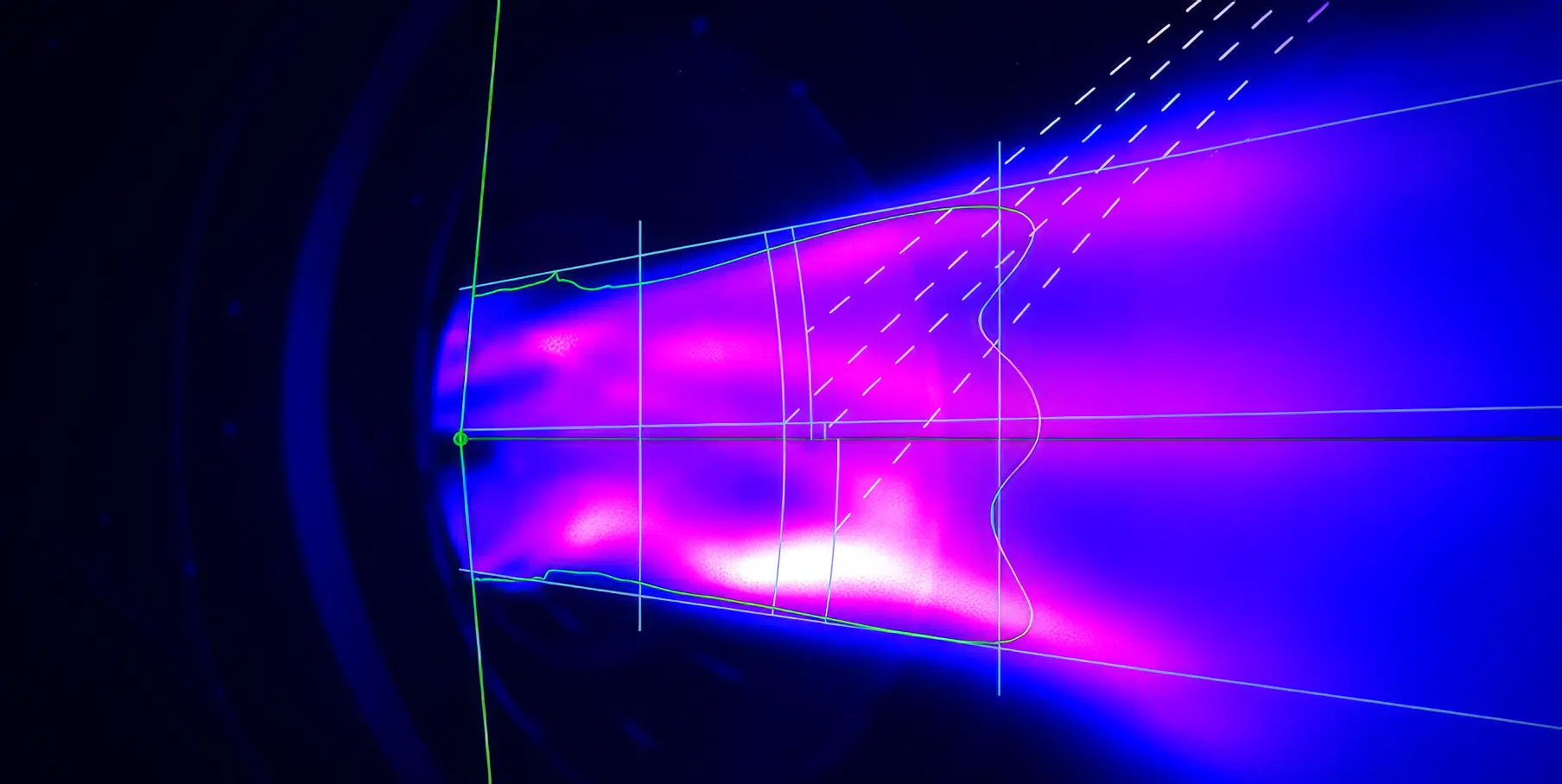
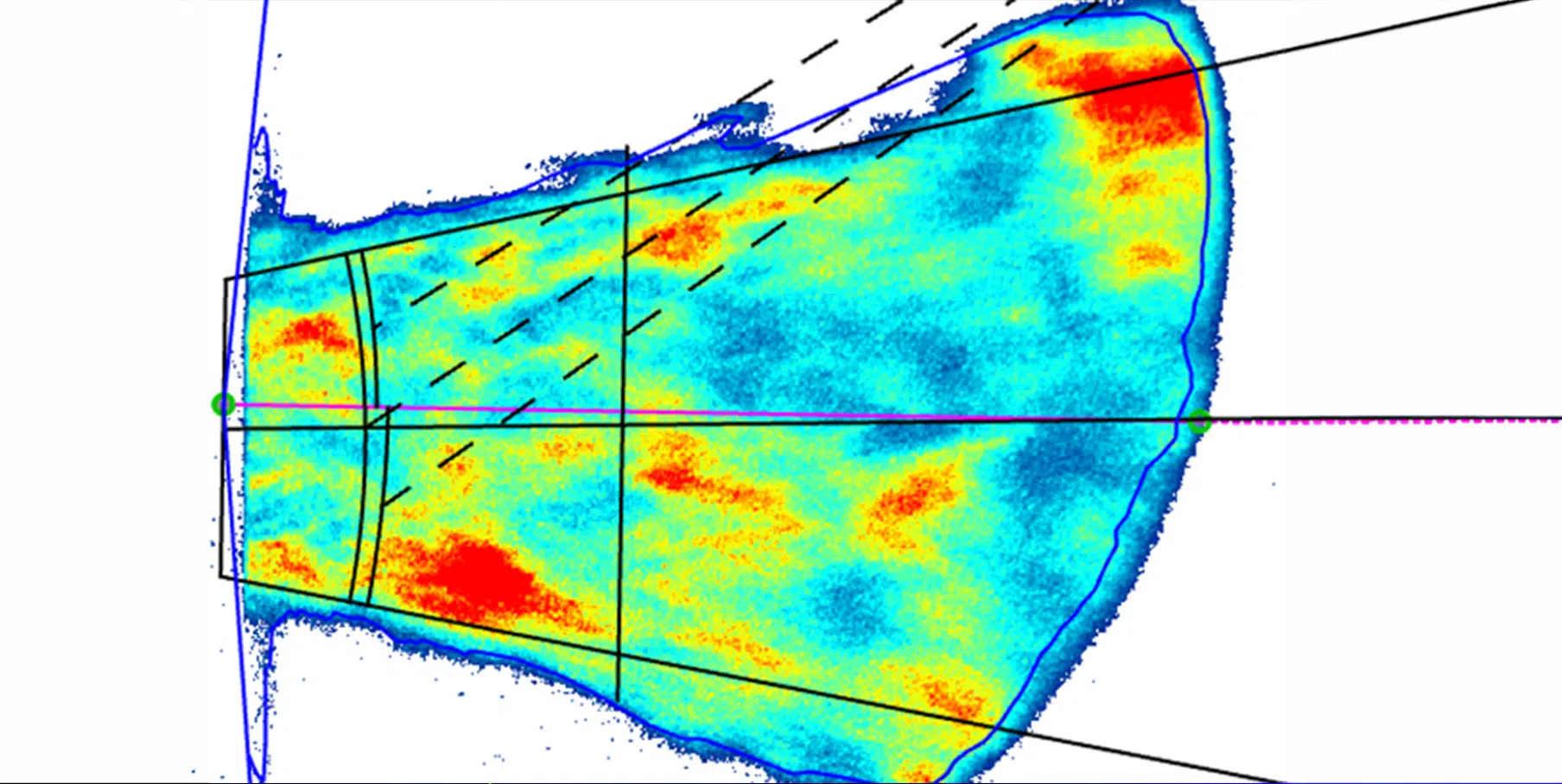
Optical measurement technology is indispensable for the analysis of combustion and emissions
From the "
" flame to a reliable basis for decision-making
LaVision combines high-resolution imaging with quantitative analysis. Flame emissions, reactive species, temperature fields, and flow structures are not examined in isolation, but are evaluated in correlation with one another.
This results in:
- reliable statements regarding flame stability,
- spatially resolved emission maps,
- time-resolved analyses of transient effects,
- Valid input parameters for CFD and LES models.
Combustion thus transforms from a complex, difficult-to-control process into an area of optimization that can be measured and controlled.
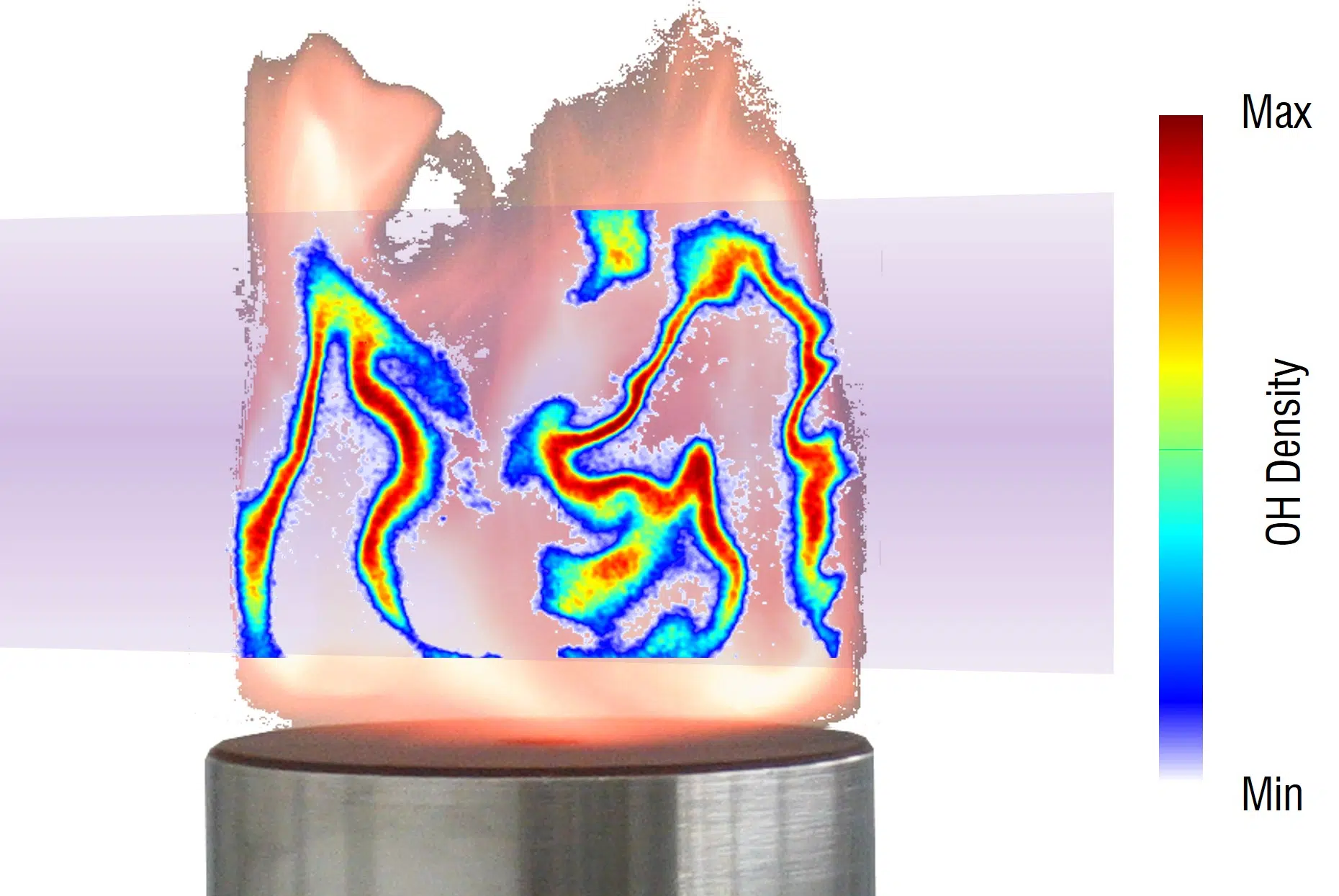
From Flame to Emission—Targeted Analysis by Application
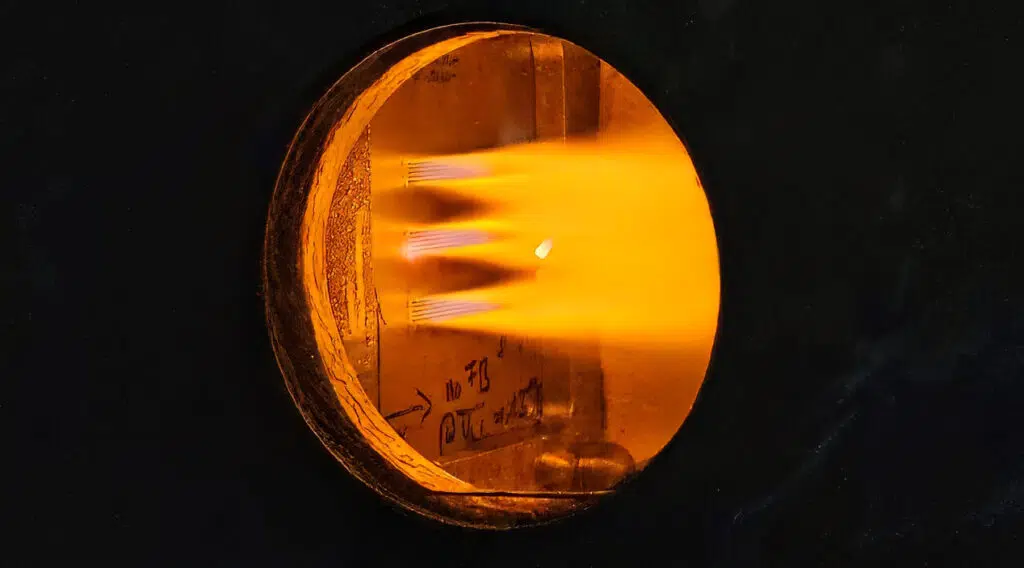
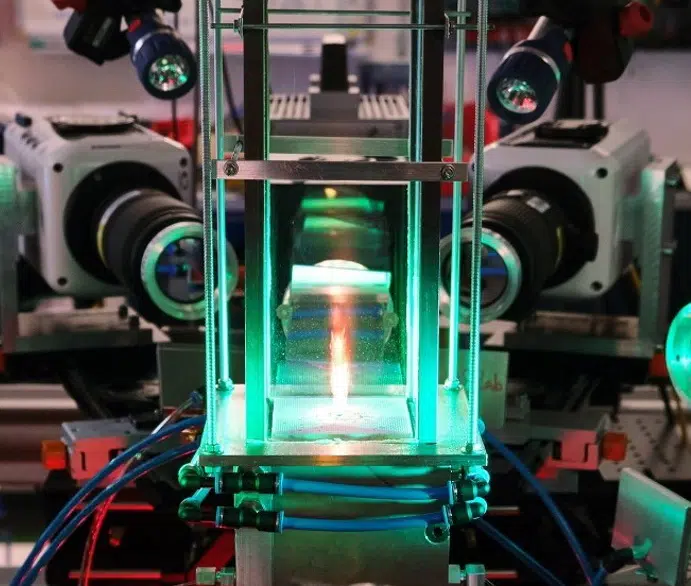
Hydrogen Combustion Analysis
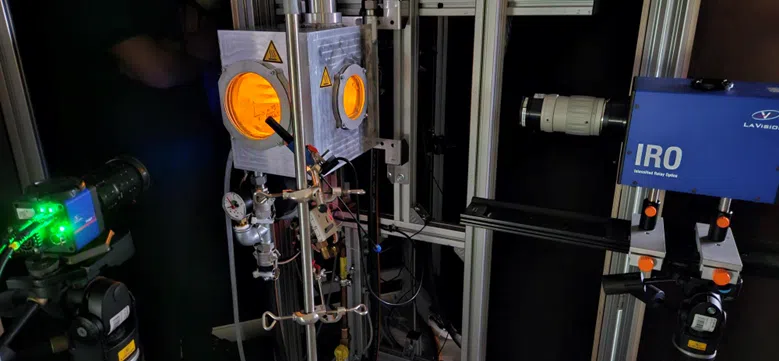
Ammonia Combustion Analysis
NOx Combustion Analysis
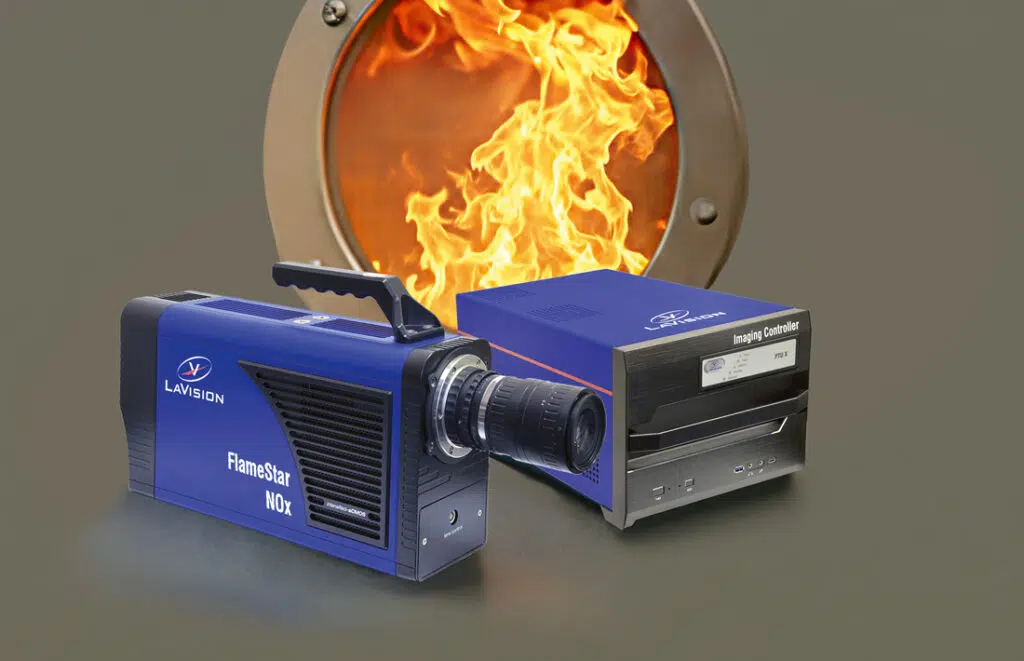
FlameStar NOx – Core Technology for Combustion and Emissions Analysis
Relevant Optical Analysis Methods in Combustion
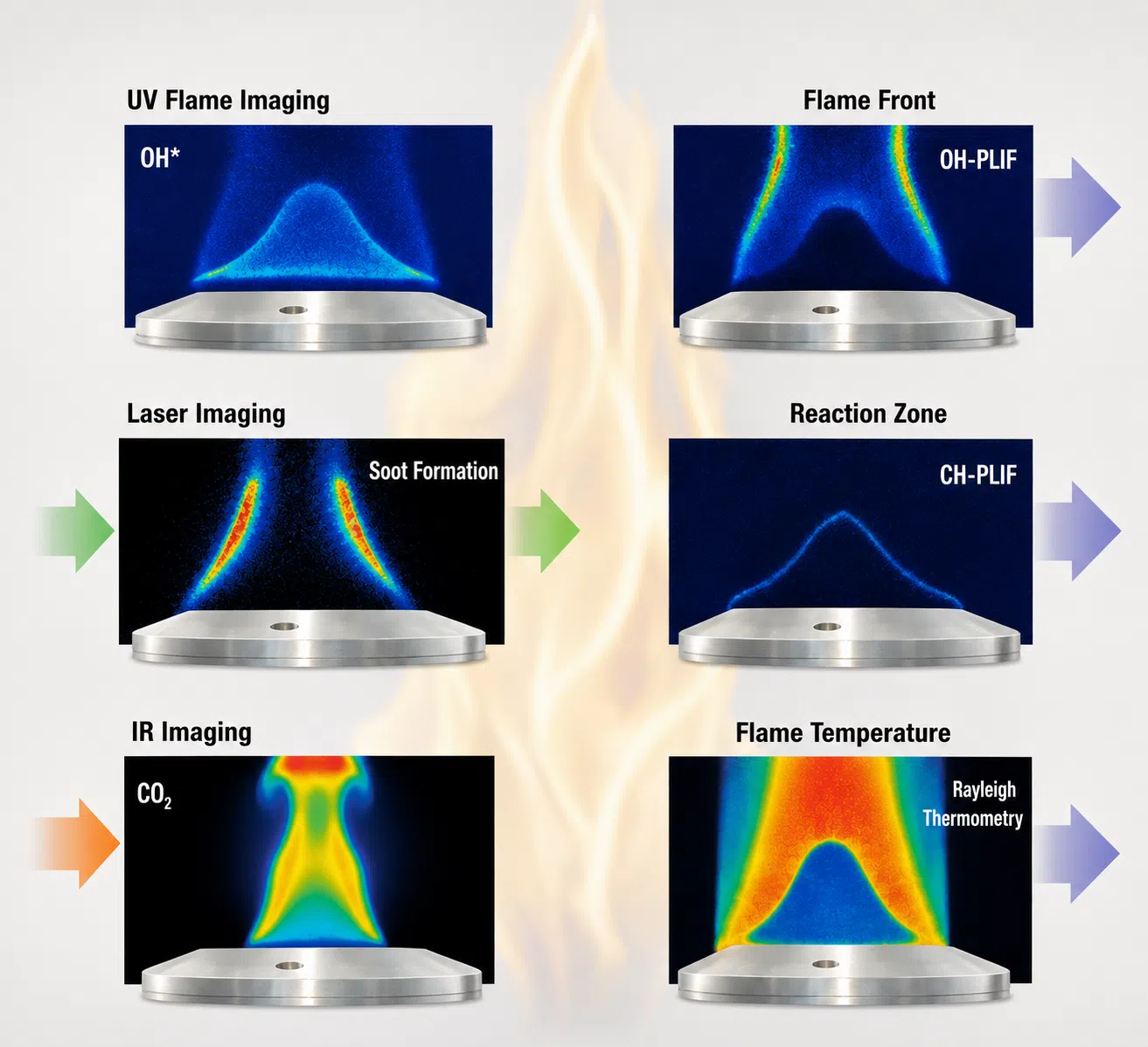
Flame Emission & Chemiluminescence Imaging
High-Speed & Time-Resolved Imaging
Laser-Induced Fluorescence (LIF)
PIV in Flames (Particle Image Velocimetry)
Rayleigh Thermometry & Raman Imaging